
Feline Distemper
 Feline parvovirus (FPV), commonly known as feline distemper, is a life-threatening and highly contagious viral disease unrelated to canine distemper. Feline distemper attacks the cat's blood cells, particularly those in the process of rapidly dividing, such as those in the bone marrow and the intestinal tract, as well as the stem cells of a developing fetus. By destroying these blood cells, the illness leads to anemia and makes the body prone to infection by other viruses and bacteria. Vaccinations for feline distemper are available and effective, but unvaccinated cats are at grave risk since the virus can survive in contaminated environments for several years.
Risk Factors for Feline Distemper
Cats contract feline distemper from infected cats, not from infected dogs. The disease in acquired through contact with infected blood, urine or feces. It may also be contracted from fleas that have fed on an infected cat. The contagion factor for this disease is unusually high since cats can contract it from humans who have handled sick cats without taking proper sanitizing precautions, or from contaminated food bowls, bedding, towels and surfaces. Unfortunately, feline distemper is also resistant to disinfectant. Cats are at greater risk of contracting feline distemper when:
- They are kittens
- They are outdoor cats
- They have been in shelters or kennels
- They have had contact with unvaccinated cats
- They are pregnant
- They have compromised immune systems
Kittens between the ages of 2 and 6 months are at high risk for developing distemper. If they are born to infected mothers, they may contract the disease in utero or during nursing. Such kittens often have a poor prognosis. Healthy adult cats, however, may contract a mild form of the virus. If they survive, they become immune to further infection.
Symptoms of Feline Distemper
Physical symptoms of a full-blown case of feline distemper may be very severe. These include:
- High fever
- Vomiting
- Diarrhea, possibly bloody
- Dehydration
- Weight loss
- Anemia
- Loss of appetite
- Rough coat
Behavioral changes may also be observed in affected cats, including
- Depression
- Hiding
- Lethargy
- Inactivity
As the disease progresses and the virus attacks the cat's brain, neurological symptoms, such as poor coordination, may be exhibited.
Diagnosis of Feline Distemper
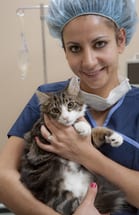 Feline distemper is diagnosed through physical examination and medical history. It is important for the veterinarian to know about the patient's contact with other cats. Necessary laboratory tests include blood tests, urinalysis and microscopic fecal examination.
Because a cat with FPV may exhibit symptoms common to other disease conditions, it is important for the diagnosis to rule out poisoning, feline leukemia (FeLV), feline immunodeficiency virus (FIV) and pancreatitis.
Treatment of Feline Distemper
Cats with feline distemper usually require immediate treatment to save their lives. Intravenous hydration is necessary, both to restore bodily fluids and to get the cat's electrolytes back into balance. Since the illness weakens the animal's immune system, antibiotics are often prescribed prophylactically.
While this disease is a very serious one, if the cat survives the first 48 hours, it is likely to recover completely and to have lifelong immunity to the virus. Tender loving care is extremely important to the animal's survival since the illness is isolating, uncomfortable and depressing. The cat should be kept in a quiet, temperate area with food and litter box nearby. While the sick cat will need quiet rest, it will also require affectionate support.
Strict hygiene is crucial to avoid spreading the illness to other cats. This means thorough cleaning of all bowls, blankets, towels and surfaces, and scrubbing any part of the caretaker's body that has come into contact with the infected animal.