
Feline Urinary Incontinence
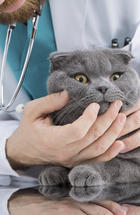 Feline urinary incontinence is a physiological condition in which the cat demonstrates a lack of voluntary control over urination. incontinence should be distinguished from behavioral issues like spraying and housebreaking mistakes. There are several possible physical causes for feline urinary incontinence. Some are primary, relating to the bladder or urinary tract, and some are secondary, resulting from another underlying disease condition.
Causes of Urinary Incontinence
Feline incontinence can be caused by a variety of conditions, including:
- Anatomical abnormality
- Spinal cord injury resulting in bladder paralysis
- Bladder obstructions
- Dysautonomia, a neurological condition
- Feline leukemia
- Bladder infections, such as bacterial cystitis
- Diabetes
- Aging
Congenital abnormalities usually show up in cats under 1 year of age. An anatomical defect of the spinal cord sometimes occurs in Manx cats, causing urinary incontinence. The defect appears to be linked to the gene that produces taillessness.
Symptoms of Feline Urinary Incontinence
Feline incontinence may be associated with other symptoms, depending on its cause. These symptoms may include:
- Urgent urination (outside the litter box)
- Pain upon urination
- Bladder distension
- Frequent dribbling of urine
- Squatting in an unsuccessful attempt to urinate
These associated symptoms often assist the veterinarian in diagnosing the cause of the problem.
Diagnosis of Feline Urinary Incontinence
Diagnostic tests that will help the veterinarian to zero in on the cause of urinary incontinence include:
- X-rays with contrast dye
- Blood tests
- Urinalysis
If no physical cause for the problem is apparent, psychological and behavioral factors should be explored.
Treatment of Feline Urinary Incontinence
Treatment for incontinence is directed at finding the underlying cause and correcting it if possible. Medications can address some causes of incontinence, for example, medications that affect the bladder muscle are sometimes helpful. In the case of bacterial infections, antibiotics can cure the condition completely. If there is an anatomical problem resulting from a congenital defect or from an injury, surgery may be necessary.