
Hip Dysplasia
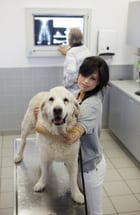 Like in humans, many dogs and cats suffer from degenerative joint diseases in the hip that can cause pain and limping. This is the result of abnormal development of the hip joint and a lack of muscles, tissue and ligaments that normally support the joint, causing the bones to move further and further apart. Hip dysplasia often leads to arthritis. Hip dysplasia usually affects large and giant breed dogs, but poor diet, over-exercising and genetics can increase the risk of this disease in cats as well.
Symptoms of Hip Dysplasia
Pets suffering from hip dysplasia may show signs such as:
- Swaying or staggering
- Limping
- Discomfort when sitting down or standing up
- Unwillingness to run and jump
- Decreased activity
- Abnormal gait
Hip dysplasia often begins in young animals, after four months of age. It can also develop later in the pet's life due to osteoarthritis, a form of joint inflammation that is characterized by the slow, steady degeneration of the joint cartilage.
Diagnosis of Hip Dysplasia
Diagnosis of hip dysplasia includes a complete physical exam, a blood test, an electrolyte panel and urinalysis tests. Signs of inflammation due to joint disease can be diagnosed in the blood test. The veterinarian will take a thorough medical history of the animal, their genetic lineage and any possible accidents or injuries that may have contributed to the pet's symptoms. X-rays are taken in order to locate the condition.
Treatment and Prevention of Hip Dysplasia
Hip dysplasia can be treated on an outpatient basis and prevented through weight management and healthy exercise schedules. More severe cases may require surgery, which can range from realigning the hip bones to fusing the pelvic bones together to total hip replacement.
Medications may also be prescribed, such as anti-inflammatory drugs to reduce swelling and inflammation, along with pain medications for lessening the severity of the pain.
Physical therapy such as swimming can also help to decrease joint stiffness and maintain muscle integrity. The doctor will discuss treatment options and create an individualized treatment plan which is best for the pet and owner.