
Infectious Canine Hepatitis
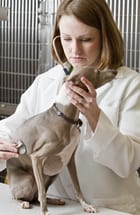 Infectious canine hepatitis is a serious viral disease affecting the liver. In addition to dogs, it is seen in coyotes, wolves, foxes and bears. Unvaccinated dogs of any age are susceptible to the illness, but unvaccinated puppies are at greatest risk. Infectious hepatitis can be prevented by vaccinations given at a young age with boosters administered every 3 years.
Infectious hepatitis is transmitted through bodily fluids, especially nasal secretions and urine. A dog can contract the disease from direct contact with an infected dog or from contaminated surfaces or objects, such as crates, bedding, or food bowls.
Symptoms of Infectious Canine Hepatitis
A dog with a mild case of infectious hepatitis usually exhibits the following symptoms:
- Lethargy
- Fever
- Cough
- Runny nose and eyes
- Increased thirst
An animal with acute canine hepatitis, however, develops more severe symptoms that can prove fatal. Symptoms of acute infectious canine hepatitis include:
- High fever
- Vomiting and diarrhea
- Seizures
- Cloudy, bluish eyes
- Jaundice
- Bruising
- Ascites (abdominal swelling)
Any dog showing even mild symptoms of the illness should be promptly seen by a veterinarian. Most dogs with severe symptoms require hospitalization and all must be kept isolated from other dogs. Dogs in recovery from hepatitis can still be contagious to other dogs through their urine for as long as 9 months.
Diagnosis of Infectious Canine Hepatitis
In addition to a full physical examination, the veterinarian diagnoses infectious canine hepatitis through blood tests, X-rays and urinalysis. Bruising, especially noticeable in the dog's mouth, may be evidence of a coagulation complication resulting from hepatitis.
Treatment of Infectious Canine Hepatitis
Being proactive about having the dog vaccinated is, of course, preferable to having to treat the disease. Once a dog contracts the illness, supportive therapy is necessary. This treatment may include administration of:
- Intravenous fluids
- Electrolytes
- Broad-spectrum antibiotics to prevent secondary infections
- Medications to control bleeding
- Ophthalmic ointment to alleviate eye pain
Dogs with affected eyes have to be protected from bright light. Severely ill dogs with symptoms of bleeding may require transfusions.