
Feline Glaucoma
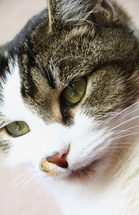 Feline glaucoma is a condition in which there is an abnormal build-up of pressure in the eye. Normally, eye fluid, known as aqueous humor, remains at a constant level in the eye, perpetually produced and drained. When there is an interference with drainage of this fluid, abnormal intraocular pressure develops which may result in several serious problems, including damage to the optic nerve and possible blindness. Glaucoma, although a common condition in dogs and in humans, is rare disease in cats. In cats, the disorder is usually a secondary condition resulting from other eye disease or physical trauma.
Causes of Feline Glaucoma
There are a few possible causes of feline glaucoma which include:
- Structural abnormality in the eye
- Traumatic injury
- Uveitis, an inflammation of the eye
- Cataracts
- Eye cancers
While congenital glaucoma is rare, there have been reported cases in certain breeds, such as Persians, Siamese and domestic shorthairs.
Symptoms of Feline Glaucoma
Because glaucoma is a very painful condition, the first evidence of the illness may be changes in the cat's behavior, such are irritability, avoidance of being touched, loss of appetite or excessive sleeping. Visual changes will become apparent. The cat's eye(s) may look cloudy or bloodshot and may tear more than is usual. When one eye is affected, its pupil appears larger than the pupil of the other eye. Eventually, as intraocular pressure increases, the eye or eyes will bulge. At this point, the retina is damaged and the lens dislocated. Disease progression may occur quickly or may take place over several weeks.
Diagnosis of Feline Glaucoma
Feline glaucoma can be an insidious disease and may not be diagnosed until it reaches an advanced stage. It is important that this condition be differentiated from other eye conditions, such as conjunctivitis, so that the glaucoma is treated before permanent damage occurs. Unfortunately, it is not uncommon for some vision to be lost before the condition is discovered. Feline glaucoma usually begins in one eye, but can progress to the other eye. In some cases, a consultation with a veterinary ophthalmologist may be recommended.
After a thorough physical examination, the veterinarian may administer one or more of the following tests:
- Ultrasound scan or X-rays to detect tumors or other abnormalities
- Tonometry to measures intraocular pressure
- Gonioscopy, to examine the anterior chamber of the eye
In addition, in order to detect underlying causes for the glaucoma, the veterinarian may order blood tests, thyroid tests, tissue cultures, urinalysis, and tests to discover or rule out dysfunctions of the pancreas, liver or kidneys.
Treatment of Feline Glaucoma
In cases of acute feline glaucoma, patients may require inpatient care. There are several methods of treatment. In addition to treating underlying conditions that many be causing the glaucoma, the veterinarian may prescribe oral or topical medications to reduce intraocular pressure. Such medications will have to be administered for the rest of the cat's life.
If the condition does not respond to medication, there are various surgical procedures that may be successful in keeping eye pressure under control. In cases where the animal continues to be in acute pain, surgical removal of the eye may be the only satisfactory solution. When the eye is removed, a prosthesis may be inserted for cosmetic reasons.